Research
Funding the science behind pediatric brain-injury recovery.
Devices and classrooms are only as good as the science underneath them. The Foundation funds the studies that test whether an approach actually works — in the places children really live.
New research study
Zero G 3D
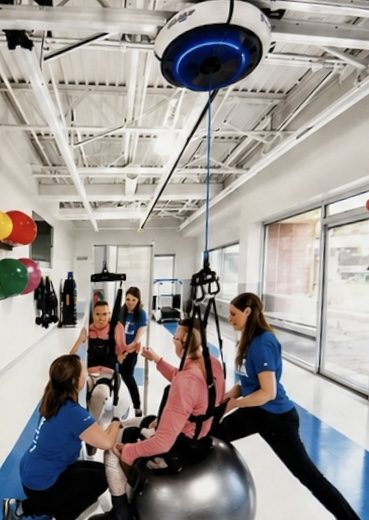
The Joseph Robert Shaw Foundation, Inc. and the Kennedy Krieger Institute have received approval from the Johns Hopkins Medicine Institutional Review Board to conduct a three-year longitudinal study on the in-home pediatric use of gamified therapy (PediaCORE) delivery systems and environmental integrated bodyweight support system (Zero G 3D). In this study we will evaluate the longitudinal effect of daily, home-based physical interventions that incorporate bodyweight support and gamified balance training on participation, cognition and postural control in medically complex patients with Cerebral Palsy.
The purpose of the study is to determine the therapeutic benefit of an at-home Zero G 3D bodyweight support system on function and participation for individuals with Cerebral Palsy.
Three-year study
A longitudinal design that follows each child over time, not a single snapshot.
In the home
Daily, home-based physical interventions rather than clinic-only sessions.
Gamified therapy
PediaCORE turns balance training into a game a child wants to keep playing.
Bodyweight support
Zero G 3D carries part of a child’s weight so they can practice standing and stepping.